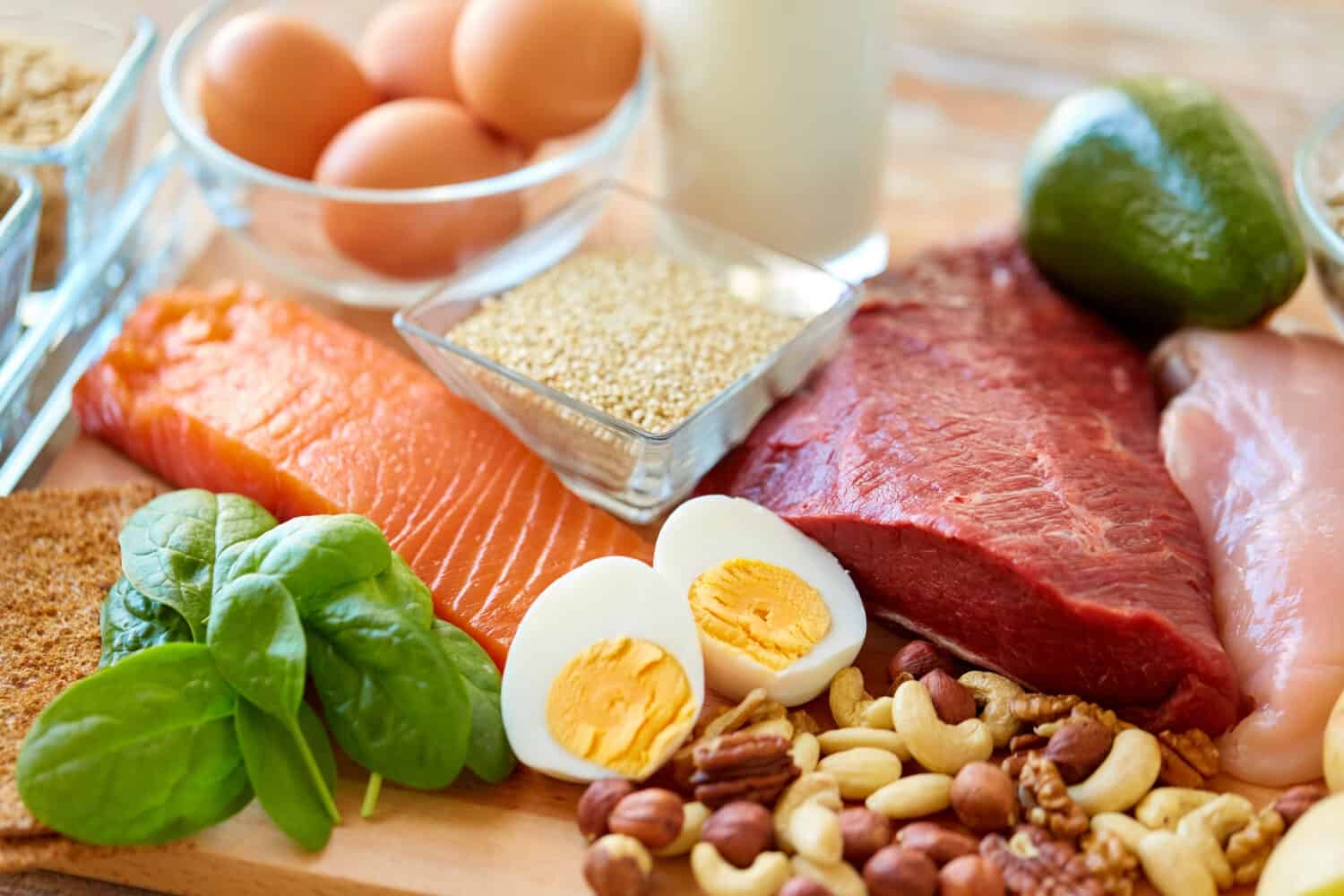
Top 10 High-Protein Foods to Fuel Your Fitness Journey
When it comes to fueling your fitness journey, incorporating high-protein foods into your diet is essential. Protein plays a crucial role in muscle repair and growth, making it a key macronutrient for anyone looking to enhance their physical performance. Here are the top 10 high-protein foods that can help you meet your nutritional needs:
- Chicken Breast: An excellent source of lean protein, chicken breast offers about 31 grams of protein per 100 grams, making it a favorite among fitness enthusiasts.
- Eggs: Packed with not just protein but also essential amino acids, eggs provide around 6 grams of protein per large egg.
- Greek Yogurt: This creamy delight contains approximately 10 grams of protein per 100 grams and is also rich in probiotics.
- Quinoa: As a complete protein, quinoa offers around 8 grams of protein per cup, making it a fantastic option for vegetarian athletes.
- Tofu: A staple in plant-based diets, tofu contains about 8 grams of protein per 100 grams and is highly versatile.
- Lentils: These legumes pack a punch with about 18 grams of protein per cup when cooked, making them a great addition to salads and soups.
- Fish: Fish varieties like salmon and tuna are rich in protein and omega-3 fatty acids, providing around 20-25 grams of protein per 100 grams.
- Beans: Black beans and chickpeas are both good sources of protein, with approximately 15 grams per cooked cup.
- Almonds: For a healthy snack, almonds provide about 21 grams of protein per 100 grams, along with healthy fats.
- Cottage Cheese: This dairy product contains roughly 11 grams of protein per 100 grams, making it a great post-workout snack.
How to Craft the Perfect Protein-Packed Smoothie
Crafting the perfect protein-packed smoothie is both an art and a science. To start, you'll want to select a high-quality protein source as your base. Consider options like whey protein, plant-based protein, or even Greek yogurt for a creamy texture. From there, the next step is to choose your liquid; options like almond milk, coconut water, or even plain water can make a difference in flavor and consistency. Don't forget to add fibrous ingredients such as spinach or Kale to boost the nutritional profile without overpowering the taste. A well-rounded smoothie is all about balance!
Next, it's time to enhance your smoothie with additional flavors and nutrients. You might consider adding a frozen banana or some berries to naturally sweeten your blend. For an extra health kick, toss in chia seeds or flaxseed, which are excellent sources of omega-3 fatty acids and fiber. Finally, don’t shy away from spices – a pinch of cinnamon or a splash of vanilla extract can elevate the taste immensely. When blended to perfection, your protein-packed smoothie will not only taste great but also fuel your body for the day ahead!
Are You Getting Enough Protein? Signs You Might Need More
Protein is an essential nutrient that plays a vital role in various bodily functions, including muscle repair, immune response, and hormone production. If you're wondering whether you're getting enough protein, look out for common signs that may indicate a deficiency. These can range from fatigue and weakness to mood swings and cravings for unhealthy foods. A decline in muscle mass, increased susceptibility to infections, or even slower recovery from injuries can also be warning signals that your body isn't receiving the protein it desperately needs.
One easy way to assess your protein intake is to track your dietary habits. It might be helpful to keep a food diary for a few days. Consider incorporating more protein-rich foods into your meals, such as lean meats, fish, eggs, dairy products, legumes, and nuts. Additionally, watch for these signs:
- Unexplained weight loss
- Hair thinning or loss
- Dull skin
- Frequent infections
- Delayed healing